
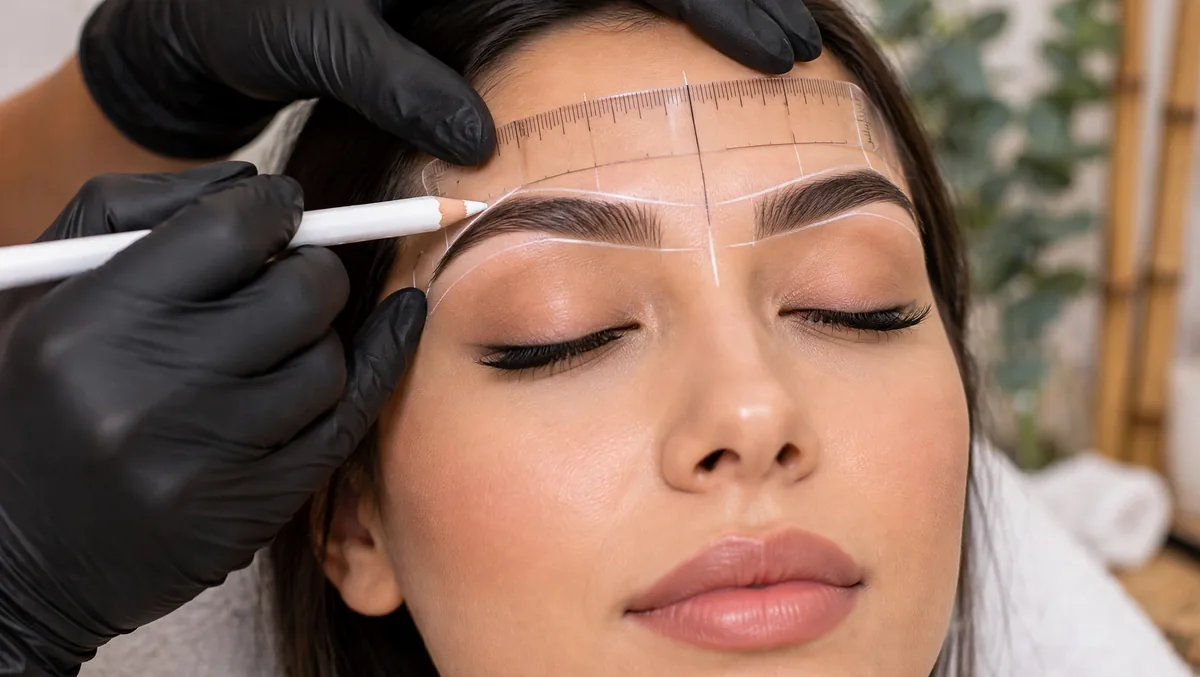
Brow Mapping and Shape Planning Your Shaping Appointment
Your eyebrows frame your eyes, but they don’t need to look identical. A thoughtful brow appointment starts with your face, your hair growth, and your goals. Brow mapping gives your artist a visible plan before any hair is removed. That small step can make a big difference, especially when your brows grow unevenly or you’ve overplucked them before.
Maybe you want a softer arch. Maybe one tail sits higher than the other. Or perhaps you’ve booked brow shaping before and walked out thinner than expected. The best starting point isn’t a trending picture. It’s a clear conversation about what you want to keep, what can change today, and what may need time to grow.
What Is Brow Mapping?
Brow mapping is a planning method that marks where each eyebrow could begin, arch, and end. Your artist uses facial landmarks, your natural growth pattern, and your desired look to draw guide points. Those marks help you preview the proposed shape before threading, waxing, or tweezing begins.
Think of mapping as a pencil sketch before a haircut. It gives both people a chance to agree on the plan. The sketch isn’t a promise of perfect symmetry. It is a useful reference that makes shaping less like guesswork. Good artists adjust the guide rather than forcing every face into the same formula.
Mapping may use a brow pencil, skin-safe mapping string, a ruler, or calipers. Different artists use different tools. The tool matters less than the consultation, clean technique, and thoughtful decisions. A straight line on paper may look precise, yet real brows live on a moving face.
Brow mapping versus brow shaping
Mapping plans the outline. Shaping changes the appearance by removing or trimming selected hairs. You can map brows without removing anything. You can also shape brows without formal marks. For someone nervous about a dramatic change, a visible map offers an extra chance to speak up.
Brow mapping versus tinting and lamination
Tinting changes the visible color of brow hair. Lamination temporarily redirects brow hairs for a brushed or smoother finish. Neither replaces a shaping plan. Mapping may guide these services, but they answer different questions. Your artist should explain what each treatment can and cannot do.
Why Mapping Matters Before Your Appointment
The biggest benefit is shared expectations. A client may say ‘natural’ and picture full, straight brows. An artist may hear ‘natural’ and picture a clean, defined arch. Both understand the word differently. Mapping creates something concrete to discuss before the first hair is removed.
It can also protect fullness. Brow hair doesn’t grow in perfectly straight lines. Removing every hair outside a rigid drawing could leave thin spots. A skilled artist makes room for natural growth and subtle asymmetry. Sometimes the best decision is to leave a hair untouched.
Mapping helps with long-term planning, too. If your tails are sparse, your artist can show what is achievable now. They may recommend a temporary makeup fill while hair grows. A single appointment cannot create hair where none exists. That distinction prevents frustrating expectations.
How Brow Mapping Works Step by Step
Step 1: Talk about the look you want
Your consultation should come before measuring. Share whether you prefer soft, fluffy, straight, rounded, or defined brows. Mention any upcoming wedding, photoshoot, or work event. Bring one or two reference photos if they help. Tell your artist what you dislike, not just what you want.
Ask how much hair they plan to remove. If you want to keep your fullness, say that clearly. If an old shaping appointment left you unhappy, explain why. Your appointment belongs to you, and a careful professional should welcome those details.
Step 2: Look at your natural brow growth
The artist checks where your hairs naturally start, grow upward, bend, and taper. They also consider sparse patches, scars, cowlicks, and changes from past tweezing. One brow often grows differently from the other. This is normal and worth planning around.
The artist may brush hairs upward and outward to reveal the underlying shape. They should study your brows while your face is relaxed. Looking at your expressions can reveal how your brow muscles affect the visible arch. This gives a more useful picture than a still photo alone.
Step 3: Mark the beginning, arch, and tail
Artists commonly reference the side of the nose, inner eye area, iris, and outer eye area. The exact technique varies. These points provide a starting guide, not a universal mathematical law. Your brow position, bone structure, and preferred style still matter.
The brow beginning
The inner brow usually creates the softest transition into the bridge of your nose. Pushing the start too far inward can make brows look heavy. Removing too much from the inner edge may leave a wide gap. The goal is balance, not a harsh vertical border.
The highest point
The arch influences expression. A higher arch can look more lifted or dramatic. A gentle curve often feels relaxed. Your artist should avoid shifting the peak simply because a template suggests it. Your natural hairs and brow bone offer important clues.
The tail
The tail finishes the frame around your eye. A short tail may make the brow feel unfinished. An overly drawn or low tail can change the overall expression. Mapping helps compare the length and angle of both sides while preserving realistic hair coverage.
Step 4: Check the draft together
Ask to see the outline in a mirror before shaping starts. Face forward and relax your forehead. Then smile and raise your brows naturally. Those small movements reveal whether a sharp line looks different in motion. If something feels too thin or angled, say so now.
Your artist can adjust the map before removing hair. This is where communication matters most. A shape should suit your features and your routine. It shouldn’t require you to draw on a completely different brow every morning to make it work.
Step 5: Shape with the chosen method
Once you approve the design, the artist may use threading, waxing, tweezing, or a combination. Trimming may help long hairs sit neatly. Each method has tradeoffs. The best choice depends on your hair, skin sensitivity, medication history, and comfort.
Threading uses twisted thread to remove hairs. Waxing removes multiple hairs with an adhesive product. Tweezing removes individual hairs for precise adjustments. None is automatically best for everyone. Tell your artist about irritation, recent peels, topical retinoids, and skin treatments before deciding.
Step 6: Review the result and plan upkeep
After shaping, compare the final brows with the original plan. Check them from the front and at a normal conversational distance. Ask whether any areas need regrowth. Your artist can show you which hairs to leave alone and how to brush your brows between visits.
Don’t judge a fresh wax or threading result only by immediate redness. Mild, short-lived redness can happen. Persistent pain, blistering, spreading swelling, or signs of infection need medical advice. A good appointment ends with clear, practical aftercare.
How to Choose the Right Brow Shape for Your Face
Face-shape advice can help you describe a look, but it is not a set of rules. Two people with oval faces may have very different brows, eye spacing, and hair patterns. Use examples as inspiration, then let your own features guide the final design.
Soft arches for a balanced look
A soft arch follows the natural rise of the brow. It works well when you want definition without a strong angle. Your artist can clean stray hairs and preserve the top edge. This is often a useful direction for first-time shaping clients.
Straighter brows for a relaxed look
Straighter brows can create a calm, modern finish. They still need a slight taper to avoid looking blocky. If your natural arch is high, flattening it through removal may create unnecessary gaps. Makeup can test the style first without a permanent commitment.
Defined arches for more structure
A defined arch adds a visible change in direction. It may suit someone who wears polished makeup or likes stronger definition. Too much removal beneath the peak can exaggerate the arch. An artist should create shape gradually and preserve supporting hairs.
Full, fluffy brows for a softer finish
Full brows can look polished without sharp borders. Brushing, small trims, and a little targeted cleanup may be enough. Sparse areas can be filled with pencil or powder. Brow lamination is sometimes an option for redirecting hairs, but it isn’t necessary for everyone.
Your Brows Are Sisters, Not Copies
Perfect symmetry is rarely realistic. Facial muscles, hair density, bone structure, and previous tweezing can make one side different. Mapping helps an artist find visual balance, not erase every difference. Chasing a millimeter-perfect match can sometimes mean removing too much hair.
Consider two brows with different natural arches. The artist might soften one edge and leave the other slightly fuller. Viewed together, they can look balanced without being identical. A good result works across everyday expressions, not just while you stare straight into a mirror.
If a brow sits higher because of muscle movement, hair removal cannot change the muscle. Ask what is possible with grooming alone. Honest limitations matter more than a promise of flawless symmetry. The goal is brows that fit your face and still feel like you.
Which Shaping Method Should You Choose?
Threading
Threading is helpful for detailed hair removal and can create defined borders. It may be preferred by clients avoiding waxing products. You can still experience redness, tenderness, or skin irritation. Skill and hygiene matter as much as the technique itself.
If you have sensitive or recently treated skin, discuss it first. Threading can disturb the skin surface, so it is not irritation-free. The artist should use clean materials and avoid treating skin that is broken, inflamed, or infected.
Waxing
Waxing can remove multiple stray hairs quickly and provide a clean outline. It also contacts the skin directly. Certain prescription acne treatments, retinoids, recent chemical peels, and sunburn may increase injury risks. Always disclose relevant products and procedures before waxing.
For a major event, avoid trying a new method at the last minute. Your skin may react differently than expected. Ask what the salon recommends for sensitive skin and whether another shaping method fits better.
Tweezing
Tweezing offers careful control around a mapped line. It can be a good choice for a few stray hairs or fine adjustments. Removing many hairs individually can take longer. Over-tweezing at home remains a common way to lose the shape you worked to create.
Trimming
Trimming changes hair length without removing the follicle. Done lightly, it can tidy long or curly hairs. Cutting every hair short can leave uneven gaps when brushed. Let your artist show you which hairs, if any, truly need trimming.
What to Do Before Your Brow Shaping Appointment
Arrive with an idea of your desired finish, but stay open to what your natural brows can support. Save two reference images with similar hair density. A celebrity photograph might show an appealing style yet hide makeup, filters, or cosmetic procedures.
Let your brows grow where possible before a reshaping visit. Constantly plucking between appointments can remove the hairs your artist needs. There is no magic number of growth days for everyone. Hair cycles and previous removal history make a difference.
Tell the salon about allergies, eczema, acne products, recent skin treatments, or previous reactions. Mention recent injectables, peels, laser procedures, and any skin that feels tender. Ask the provider performing those treatments when brow services are appropriate. Don’t guess about safe waiting periods.
If tint or lamination is planned, ask about patch testing and product-specific precautions. Follow the salon’s instructions rather than trying new exfoliating products the night before. Avoid arriving with irritated or broken skin in the brow area.
A simple preparation checklist
Bring a reference photo, share skin and medication concerns, explain past shaping mistakes, and choose your preferred level of fullness. Ask whether the booking includes mapping, shaping, and any add-ons. Confirm the total price before the treatment. This keeps surprises out of the appointment.
What Happens During a First Brow Appointment?
A first appointment should feel collaborative. Your artist asks questions, examines brow growth, and explains the suggested design. You review the outline. Then the actual shaping begins. Finally, you discuss aftercare and when to return.
If you feel rushed, ask to pause before hair removal. You can request a softer arch, a fuller front, or a lighter cleanup. You can also decline tinting or lamination if you only booked shaping. Clear consent should be part of ordinary salon service.
Appointment length varies by service and salon. A consultation with mapping, detailed shaping, tint, or lamination may take longer than a basic cleanup. Check the booking description for the time reserved. Don’t assume every brow appointment includes the same steps.
Brow Mapping for Sparse, Uneven, or Overplucked Brows
When one brow is thinner
A thin area changes how the ideal outline can be achieved. Your artist may preserve extra hairs on the thinner side and lightly clean the fuller side. Matching them by aggressively thinning both is rarely the only option. Ask about temporary pencil or powder instead.
When you’ve overplucked the arch
A missing arch may need a longer-term plan. Mapping can show which hairs to stop touching. Temporary makeup can bridge the visual gap as growth changes. Regrowth isn’t guaranteed, especially after repeated long-term removal or certain medical causes of hair loss.
When brow tails look short
The tail may naturally thin with age, genetics, or past grooming. Mapping can show where a balanced tail would sit. Makeup may extend its appearance without removing additional hair. If hair loss is sudden, patchy, or persistent, seek medical guidance instead of assuming it’s cosmetic.
When brows grow in different directions
Some hairs point upward while others angle down or sideways. Mapping should follow your actual growth rather than treating every hair as a problem. Brushing and selective trimming may help. A lamination consultation might make sense, but chemical treatments have their own precautions.
Should You Add Brow Tinting or Lamination?
Shaping defines the border. Tinting helps lighter hairs show up. Lamination changes the direction and set of hairs for a period. These services can complement a mapped shape, but they are not required for attractive brows. Choose an add-on for a clear reason.
If you have full brows with pale ends, tint may improve visible definition. If you have unruly hairs, lamination may provide a smoother appearance. If you simply want fewer stray hairs, shaping alone may be enough. More services do not always mean better results.
Read about the differences in our brow tint guide before combining treatments. Ask how long each result typically lasts for your hair and skin. Also discuss possible irritation, product allergies, and the care required after treatment.
How Much Does Brow Mapping and Shaping Cost?
Prices depend on location, artist experience, service length, and what’s included. Some studios include mapping within a shaping appointment. Others price consultation, waxing, threading, tinting, and lamination separately. A price without a clear service description tells only part of the story.
Before booking, ask whether the quote covers mapping, cleanup, trimming, and finishing. Confirm the charge for any add-on and whether taxes or fees apply. Ask about new-client promotions and whether they cover the service you’re considering. Transparent totals make comparing studios easier.
Cheapest isn’t always best, and expensive doesn’t automatically mean safer. Look for clean practices, clear communication, consistent results, and a realistic plan. Your eyebrows stay on your face long after checkout. That makes careful decision-making worthwhile.
Aftercare: How to Keep Your New Shape Looking Good
After threading or waxing, the skin may be temporarily tender. Follow your artist’s instructions, avoid touching the area with unwashed hands, and be gentle with skincare. If you notice significant burning or swelling, contact an appropriate medical professional.
Skip aggressive scrubs and harsh actives on irritated skin until it recovers. Don’t immediately chase tiny differences with tweezers. Freshly shaped brows can look more dramatic while skin is red. Give yourself time to see the shape in ordinary daylight.
Use a clean spoolie to brush hairs into place. A little brow gel can help with styling. Fill true gaps lightly rather than drawing a new heavy border every morning. Remove makeup gently, especially if the skin is still sensitive.
When should you book your next appointment?
Many clients prefer periodic cleanups as visible regrowth returns, but timing varies. Hair growth, chosen shape, and personal preference matter. Ask your artist for a maintenance window based on your actual brows. You may need longer between visits while regrowing overplucked areas.
Resist the urge to remove every new hair at home. Those small hairs may be essential to your next shape. If maintaining your brows feels confusing, ask the artist to mark a clear ‘leave alone’ area. A consistent plan often works better than constant correction.
Common Brow Mapping Mistakes to Avoid
Choosing a template over your features
A brow stencil or viral formula can provide ideas, not an exact answer. Copying someone else’s arch ignores your eye shape, growth direction, and bone structure. Ask for a design built around your features rather than a photograph alone.
Removing too much hair for symmetry
One brow may sit slightly higher, even after careful shaping. Repeatedly removing hair to chase an exact match can create thinner brows. Compare the overall impression at a natural distance. Balanced brows don’t need to be carbon copies.
Changing the shape right before an event
A major reshape before wedding photos or a big presentation adds pressure. Try a new approach earlier when possible. That gives you room to adjust your routine and notice any skin sensitivity. Familiar results are often the safer choice for important dates.
Skipping the consultation
A quick cleanup can still benefit from a clear conversation. If the artist doesn’t ask about desired fullness or skin concerns, speak up. Make sure you see and approve the proposed change. Mapping should support informed choice, not replace it.
Assuming mapping can create new hairs
Mapping draws the target shape. It cannot fill a bald patch or reverse every growth issue. Brow makeup, tint, or other cosmetic services may change the appearance. If you experience unexplained hair loss, seek qualified medical advice.
How to Choose a Brow Artist You Can Trust
Start with recent, unfiltered-looking work. Look for brows on people with different ages, face shapes, and natural hair density. A portfolio full of one identical arch may not show much flexibility. Notice whether the results still look natural when clients aren’t wearing heavy makeup.
Read reviews for details about listening, cleanliness, and consistency. Ask whether the artist talks through the design before removing hair. Check which methods they offer and how they handle sensitive skin. Good communication is a practical safety feature, not just a nice extra.
Confirm the service and exact price. Ask if mapping is included or if you should book a consultation. Make sure your chosen location offers the treatment you want. Different locations may have different staff, availability, menus, and promotions.
Explore Raw Beauty Lounge’s brow services to see shaping-related options. You can also review the team’s wider approach through Raw Beauty Lounge’s main website. If your priority is a personalized, comfortable visit, explain that when booking.
Brow Shaping in Tempe, Gilbert, Glendale, Kirkland, and Omaha
Beauty routines vary from one city to another, but the basics stay the same. You need an artist who listens, clean tools, a design you approve, and realistic aftercare. Local weather and your daily routine may affect the products you choose for styling.
In Tempe and nearby Phoenix communities, heat and sweat can make simple brow products more appealing. A light gel may be easier than a full makeup routine on busy days. In Kirkland, damp weather may change how you prefer to set your brows. Those are styling choices, not reasons to change the natural brow shape.
Raw Beauty Lounge lists service locations in Tempe, Gilbert, Glendale, Kirkland, and Omaha. Always confirm the specific brow service at your preferred branch before booking. Check the location details and available appointment times rather than assuming every studio offers an identical menu.
If you’re comparing services, our guide to threading, waxing, and plucking explains how common methods differ. The right answer depends on your skin and the look you want. It should never depend only on which appointment slot is cheapest.
Frequently Asked Questions About Brow Mapping
Does brow mapping hurt?
The drawing and measuring stage should not involve hair removal. You may feel light contact from a pencil or string. Threading, waxing, or tweezing afterward may cause brief discomfort. Tell your artist if you’re especially sensitive.
Is brow mapping worth it?
It can be especially useful for a first appointment, an uneven shape, or a major change. It gives you a chance to review the design. But mapping cannot replace skill, sanitation, and a thoughtful consultation.
Can brow mapping fix uneven eyebrows?
It can guide visual balance, but it can’t change bone structure or muscle position. It also can’t instantly create missing hairs. A skilled artist may suggest subtle shaping and temporary makeup instead of aggressive removal.
How long does brow mapping take?
It depends on the artist and the complexity of your brows. Mapping is usually one portion of a broader consultation and shaping session. Ask your chosen salon for the full appointment duration.
Do I need to grow out my brows first?
Some growth may help if you’re changing an overplucked shape. Your artist can explain which areas need time. Don’t delay seeking advice if you are concerned about sudden or unusual eyebrow hair loss.
Is brow mapping the same as microblading?
No. Mapping is a temporary drawing and planning process. Microblading is a cosmetic tattooing technique that places pigment into skin. The risks, permanence, healing, and qualifications are different. Don’t confuse a shaping appointment with tattoo work.
Should I book threading or waxing?
Both can shape brows, but neither suits every skin type. Discuss medications, treatments, and sensitivity before choosing. Threading may provide precision, while waxing can be quicker for broad cleanup. Your comfort and skin history matter.
Can I wear makeup to the appointment?
Ask your artist about their preference. They may remove makeup near your brows before mapping. Bring a photo of your usual brow makeup if it communicates your goals better than your bare brows.
How can I keep brows fuller between visits?
Avoid overplucking. Brush hairs gently and use light makeup where needed. Keep your skincare routine gentle after hair removal. Follow your artist’s growth plan, especially if you’re trying to recover a missing tail or arch.
Can brow mapping make my brows look natural?
Yes, when the plan respects your existing hair and desired style. Mapping should not automatically mean sharp, heavy outlines. You can ask for soft beginnings, gentle arches, and minimal removal.
Ready to Plan a Brow Shaping Appointment?
Beautiful brows start with clarity, not a rigid formula. Tell your artist what you want to keep. Review the map together. Choose a shaping method that suits your skin. Then maintain the result without overcorrecting it at home.
At Raw Beauty Lounge, explore the available brow services and confirm your preferred location’s appointment options. Ask about mapping, shaping, pricing, and any current new-client offer before you book. A great result should feel like your own brows, just more intentional.
A Few Final Questions to Ask Before You Book
Before choosing a time, ask whether the service includes a brow consultation and visible mapping. Find out who performs the appointment and which shaping methods are available. Confirm that you can review the proposed outline before hair removal begins. If your skin reacts easily, ask about suitable alternatives and the salon’s preparation instructions.
For a special occasion, tell the artist your event date. An earlier appointment may give you more confidence than a new treatment on the morning of your celebration. If you plan to combine shaping with tint or lamination, confirm the timing and aftercare for each service. Taking several treatments together may not suit every skin type or schedule.
Finally, remember that a great appointment is a conversation. You should understand the proposed shape, feel free to request changes, and know the expected total before treatment. If a particular style isn’t possible with your current hair growth, an honest explanation is valuable. You can still leave with a practical plan for growing, grooming, and styling your brows over time.


